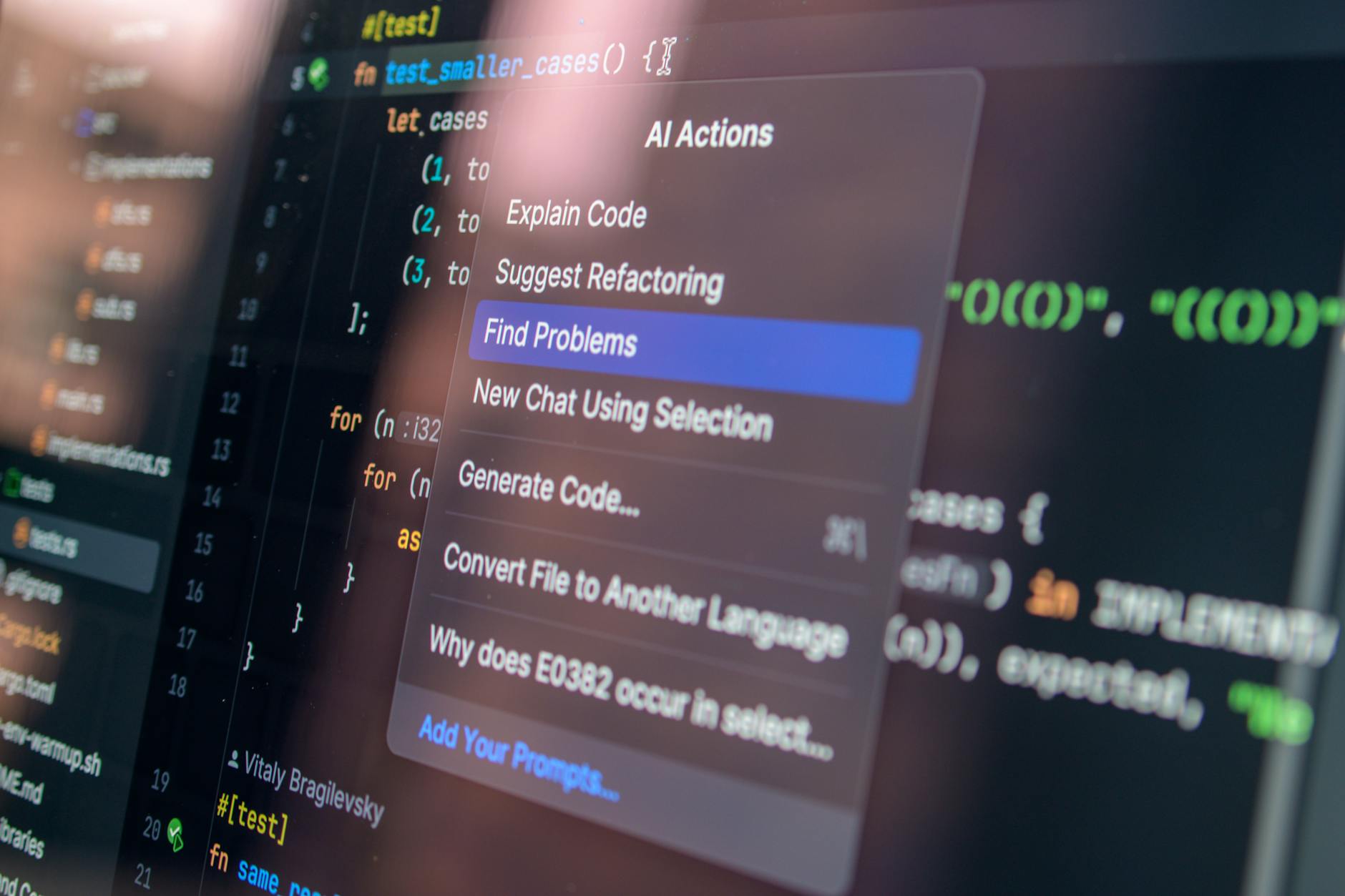
In recent years, AI has revolutionized code generation, drastically boosting output levels. However, without scaling Quality Assurance (QA) accordingly, this increased productivity can become counterproductive. An analysis of 1.6 million git events provides insights into this phenomenon.
What Changed: Increased Code Generation
The advent of AI has allowed for rapid generation of code, aiming to optimize the software development lifecycle. But, as the volume of code increases, the necessity of robust QA processes has become apparent.
Why It Matters: Decline in Net Delivery
Increased code volume doesn’t equate to increased delivery. Without proper QA, error rates and maintenance burdens grow, which ultimately slow down the net delivery speed.
Key Findings from the Analysis
Based on the analysis of data from Reddit, a few clear patterns emerged:
- AI increases code output but can decrease overall productivity without proper QA.
- Adding dedicated QA restores delivery velocity to efficient levels.
- QA effectiveness decreases as code volume grows, needing a strategic approach.
Practical Solutions for Scaling QA
To ensure quality alongside increased code production, consider the following practices:
- Automate fundamental test processes using tools like
pytest. - Integrate code linting with
flake8to catch potential issues early. - Regularly track code changes using
git log --stat.
What to Do: Best Practices
Implement structured QA processes and enhance collaboration between development and QA teams to mitigate potential risks.
Common Pitfalls and Gotchas
Not scaling QA with AI-generated code can lead to increased defect rates and technical debt, slowing innovation.
Conclusion
While AI holds the promise of higher productivity, its potential can only be realized with adequate QA scaling. Balancing automation with human oversight is key to sustained quality and velocity.
Transparency Note: AI assisted in the creation of this content, and automation verified source accuracy.