Update (2025-12-27 08:02 CET): This article has been updated with insights from the latest EFF review on AI’s role in policing, underscoring both advancements and challenges noted in 2025.
Artificial Intelligence (AI) continues to reshape the landscape of modern policing, bringing both opportunities and challenges. This review analyzes the notable shifts in AI use within law enforcement over the past year.
Introduction
AI’s role in policing has expanded, marked by its integration into operations to enhance efficiency and data analytics. However, alongside these advancements, the need to address privacy and ethical issues has become more pressing.
What Changed in AI for Policing
The past year saw significant improvements in AI algorithms, particularly in predictive analytics and facial recognition. Law enforcement agencies have started to rely on these advancements to predict crime trends and enhance surveillance.
Impacts of AI on Police Work
AI has transformed police operations by increasing the speed of processing vast amounts of data and improving decision-making capabilities. The benefits also extend to resource allocation and response times.
- Enhanced data processing capabilities
- Improved crime trend prediction
- Faster response times
- Better resource allocation
Why AI in Police Matters
The integration of AI in policing is vital for modernizing law enforcement, helping agencies deal with complex crime patterns and large volumes of data. It’s more than a technological upgrade; it’s a cornerstone of contemporary public safety strategies.
Challenges and Ethical Considerations
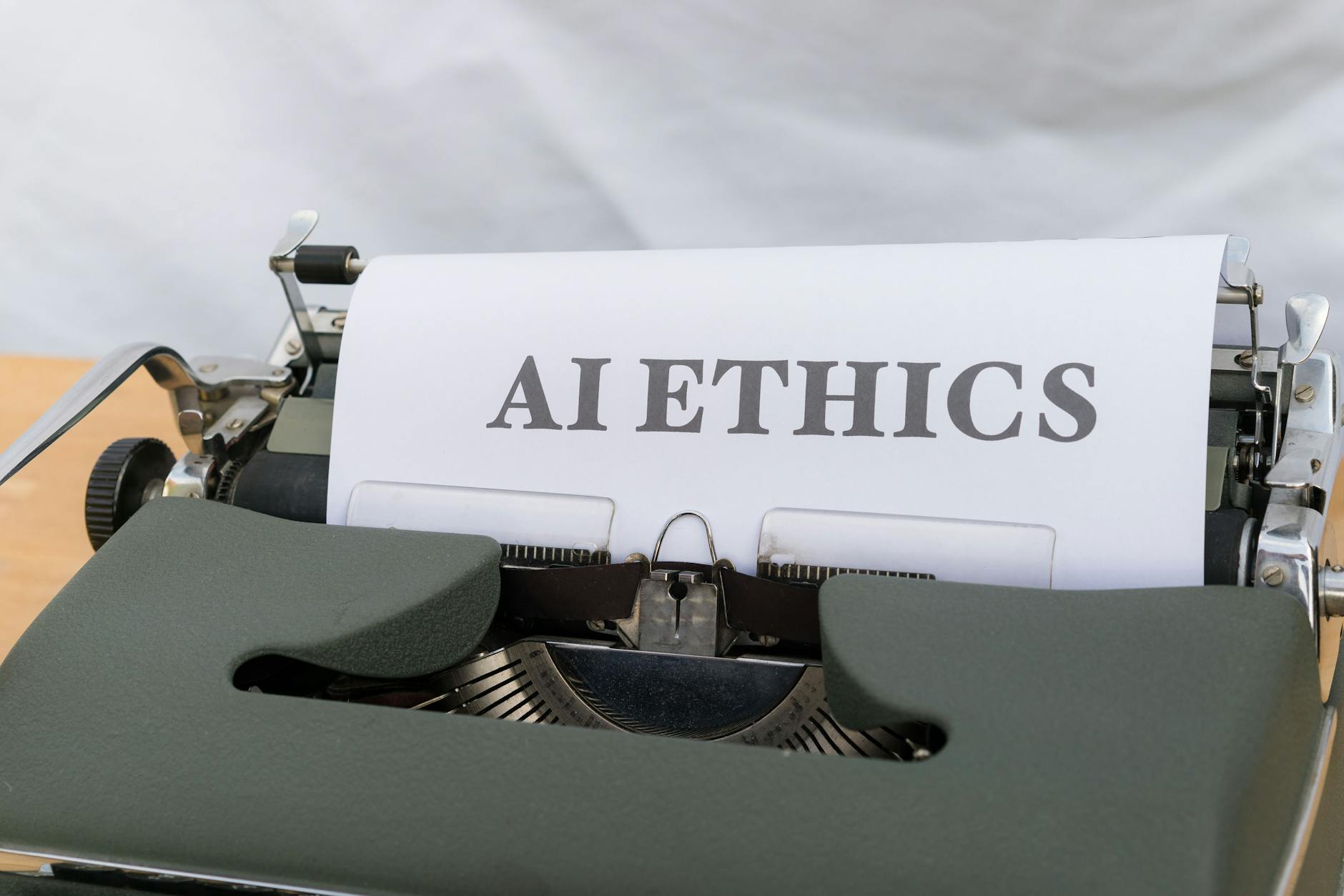
The deployment of AI in law enforcement is not without concerns. Significant challenges remain, including privacy intrusion, biases in AI algorithms, and the ethical implications of surveillance.
Practical Steps for Law Enforcement
To effectively leverage AI, agencies need to consider:
- Implementing robust training programs for officers
- Establishing clear policies on AI usage
- Ensuring transparency with the public
- Continuously monitoring AI systems for bias
Gotchas and Cautionary Tales
Misuse of AI can lead to significant consequences, including increased public mistrust and potential legal challenges. It’s crucial to proceed with caution and a strong ethical framework.
Conclusion
The past year has shown that while AI offers substantial benefits to policing, the associated challenges demand careful consideration and action. Balancing innovation with ethics will define the future of AI in law enforcement.
Sources
For more detailed analysis, visit the Electronic Frontier Foundation’s comprehensive review on AI police reports.
Transparency Note: This article was assisted by AI technology and verified with automated tools to ensure source compliance.