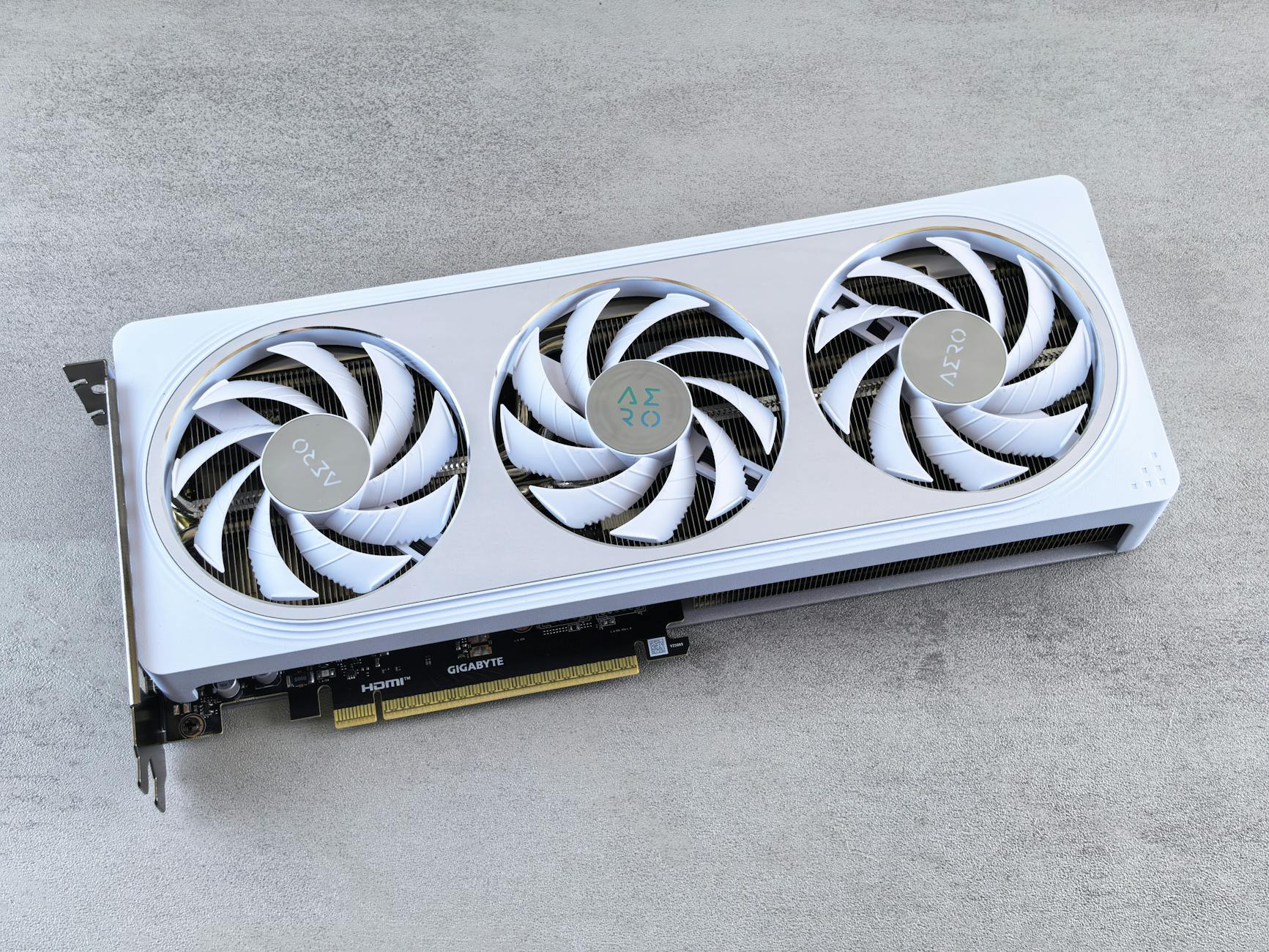
Apple’s advanced energy management in GPUs has long been a driver for its efficiency and performance. With the latest M4 Max, changes in the GPU energy model are noteworthy. This piece explores those changes and what they mean for users and developers.
What Changed in the GPU Energy Model
The M4 Max introduces a refined energy scaling system, leveraging sophisticated hardware-software integration. Apple has optimized the governor algorithms that control voltage and frequency scaling, enhancing performance without compromising power efficiency.
Why These Changes Matter
These improvements mean that computationally intensive applications can run more efficiently, reducing thermal output and extending battery life. The increased efficiency directly impacts mobile and embedded applications, making the device more versatile in varying workloads.
Steps to Reverse Engineer Apple’s GPU
Reverse engineering Apple’s proprietary systems is challenging but not impossible. Developers interested in understanding these changes should:
- Utilize energy profiling tools to track power consumption.
- Benchmark efficiency under different workloads.
- Conduct thorough code reviews with a focus on power management techniques.
- Stay updated on official technical documentation and community forums.
Practical Considerations and Challenges
Access to Apple’s hardware documentation is limited due to confidentiality. Developers must rely on empirical analysis using available tools and unofficial insights. Leveraging community knowledge and collaborations can also be beneficial.
Potential Gotchas and How to Mitigate Them
Apple’s frequent hardware updates can render reverse engineering efforts obsolete quickly. To mitigate this, ensure adaptability in analysis approaches and maintain a flexible research methodology.
Conclusion: Embracing the Changes
The modifications to the GPU energy model in the M4 Max herald significant improvements in performance and efficiency. By understanding and adapting to these changes, developers can optimize their applications for future Apple hardware.
Sources
Transparency Note: This article was AI-assisted and sources were verified through automation.