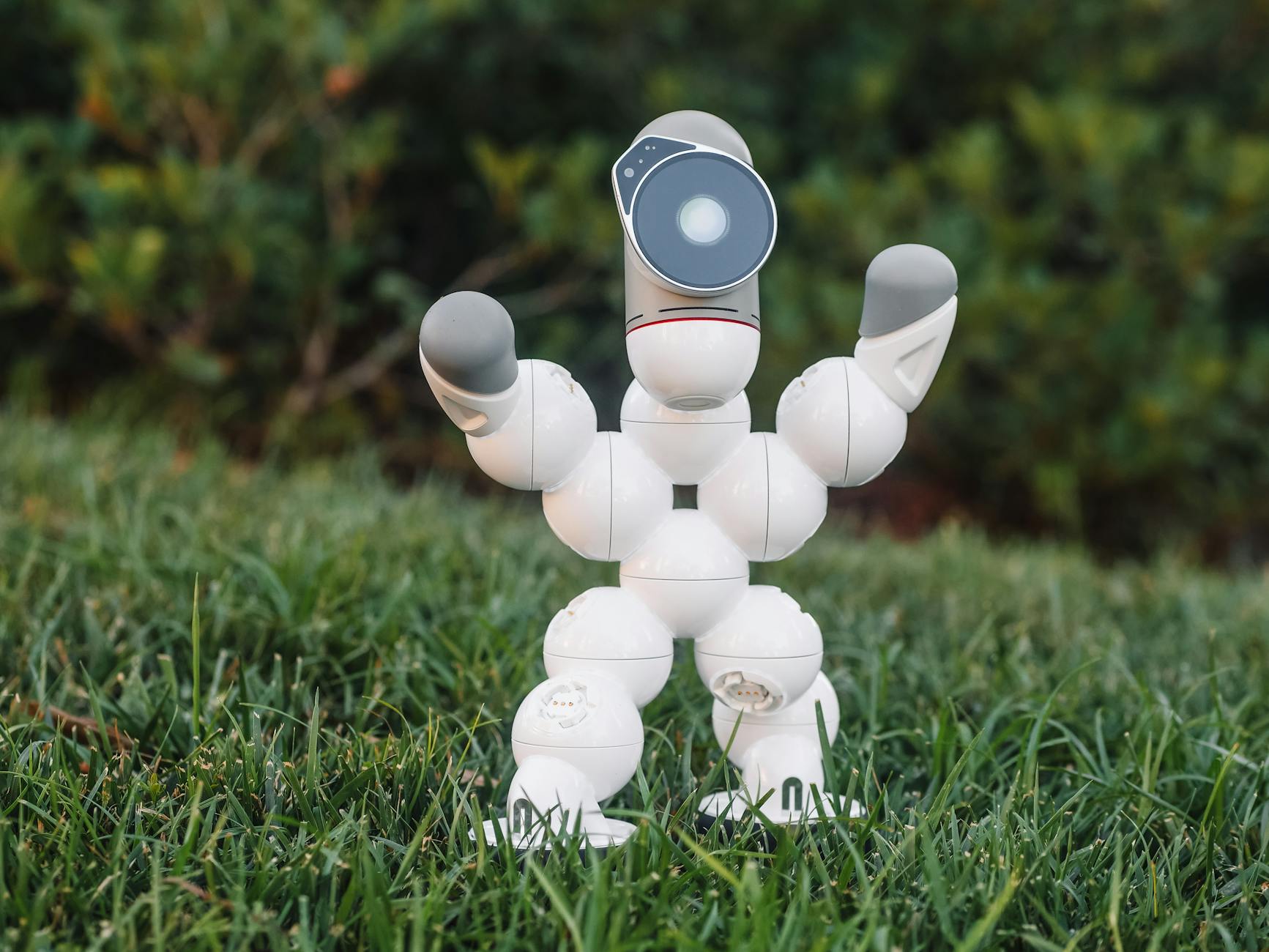
Introduction to AI in Toys
AI technology is increasingly being incorporated into children’s toys. These toys can interact with kids and respond in seemingly intelligent ways. However, there’s a growing concern about their ability to accurately interpret and respond to human emotions.
The Issue: Misreading Emotions
AI toys often rely on algorithms to process verbal and non-verbal cues from children. These algorithms, however, are not always equipped to accurately understand complex human emotions. This can lead to AI toys misreading children’s feelings, which may result in inappropriate or confusing interactions.
Why This Matters for Children
Children’s social and emotional development heavily relies on interaction and feedback from their environment. When AI toys misinterpret emotions, it can have unforeseen impacts on a child’s ability to learn empathy and social cues.
Real-world Examples
Several AI-enabled toys on the market have shown limitations in emotional interpretation. For instance, some might incorrectly identify anger as excitement, leading to inappropriate responses that can confuse children.
Practical Steps for Parents
- Engage with your child during play to understand the toy’s responses.
- Explain to your child how AI toys work and their limitations.
- Monitor the interactions and be ready to step in if needed.
- Choose AI toys from reputable brands that prioritize safety and privacy.
Potential Benefits and Risks
While AI toys offer potential benefits such as promoting educational engagement, the risks include data privacy concerns and emotional misinterpretation. Balancing these elements is crucial for parents who include such technologies in their child’s play environment.
The Future of AI in Toy Design
As AI technology advances, toy manufacturers are likely to improve emotional recognition capabilities. However, ongoing parent involvement remains key to ensuring these advancements benefit child development positively.
Conclusion
AI toys are here to stay, bringing both exciting possibilities and challenges. Understanding their limitations in emotional recognition allows parents to guide their children effectively, ensuring technology enhances rather than hinders development.
Sources
Transparency note: AI assisted in drafting this article, and automation was used to check sources.