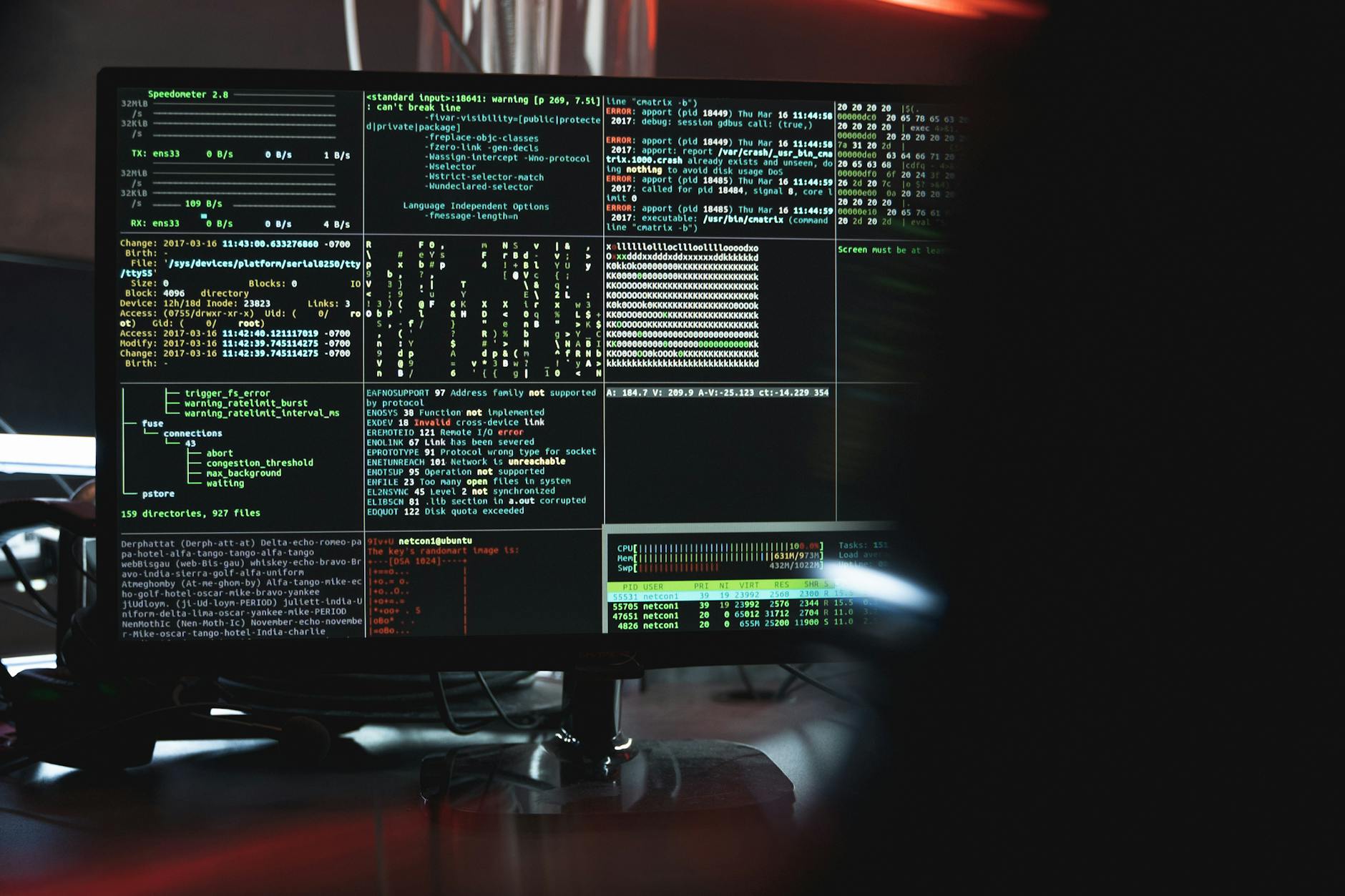
Penetration testing is a critical component of maintaining robust cybersecurity defenses. However, running these tests without causing operational disruptions can be challenging. This post explains best practices to conduct pen tests effectively while minimizing unrest in production environments.
Understanding the Challenges
Organizations need to ensure that penetration tests do not inadvertently affect system functionalities. Challenges include potential downtime, miscommunications, and unintended data exposure.
Communication and Planning
Clear communication and meticulous planning are essential for mitigating risks associated with pen tests. Communication plans should include:
- Pre-test notifications to stakeholders
- Designated points of contact
- Continuous updates during the test
Strategies to Minimize Disruptions
Utilize scheduling strategies and run tests during off-peak hours to reduce impact. Implement safeguards such as test-specific access controls to isolate effects.
Balancing Realism and Safety
Create test environments that mirror production as closely as possible without introducing undue risk. Use simulation tools to forecast potential impacts before live testing.
Technical Best Practices
Adopt proven tools and methodologies that adhere to industry standards. Regular updates and patches are critical to ensure test outcomes reflect current threat landscapes.
Conclusion
Effective penetration testing without unintended side effects requires thorough planning and communication, strategic scheduling, and modern technical approaches. By following these practices, organizations can maintain strong security posture with minimal operational disruptions.
Sources
For further insight: How Organizations Run Pen Tests Without Accidentally Causing Mayhem
Transparency note: This article was assisted by AI and automation for source verification. It presents factual guidance with no speculative content.